
Context
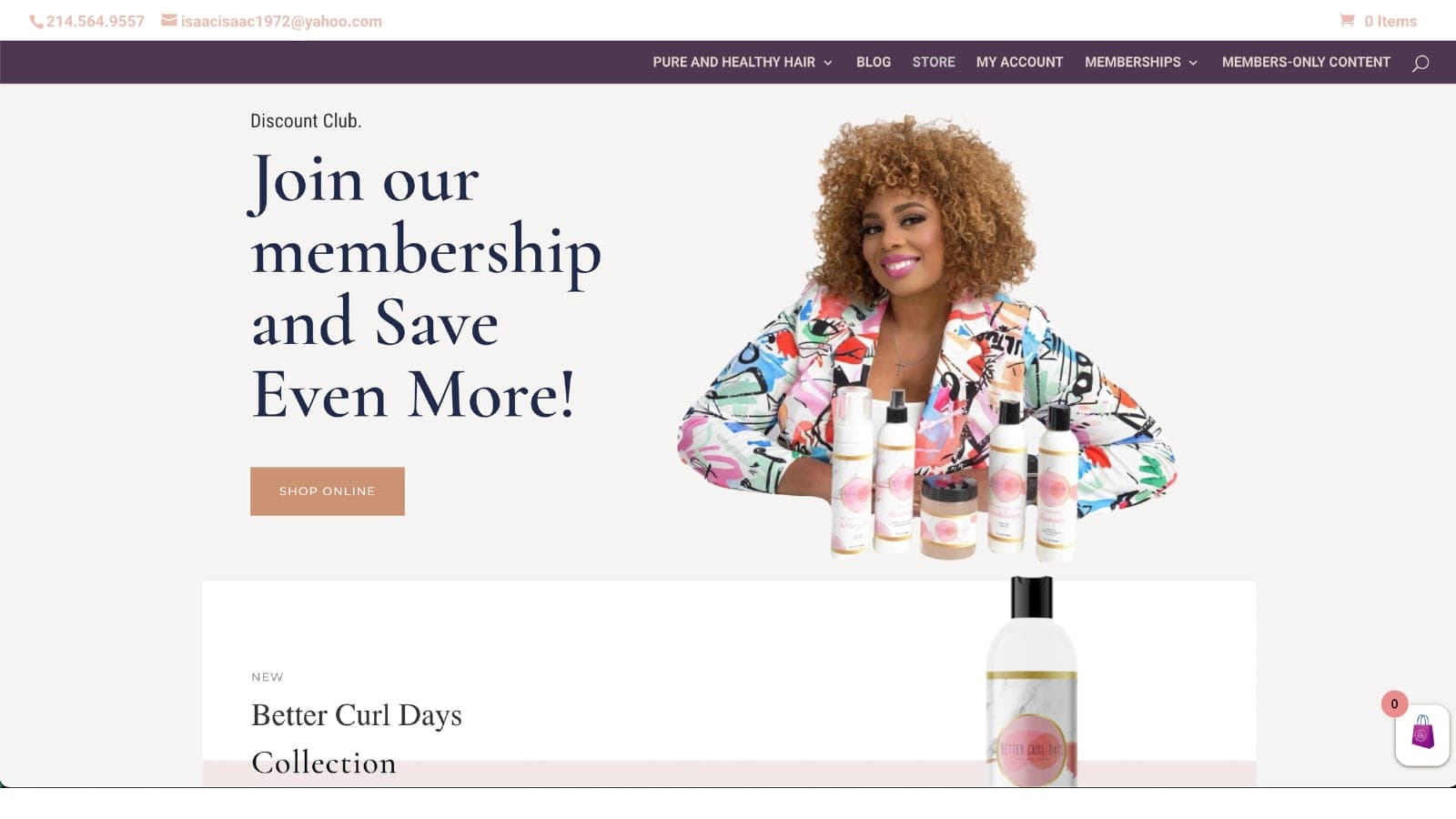
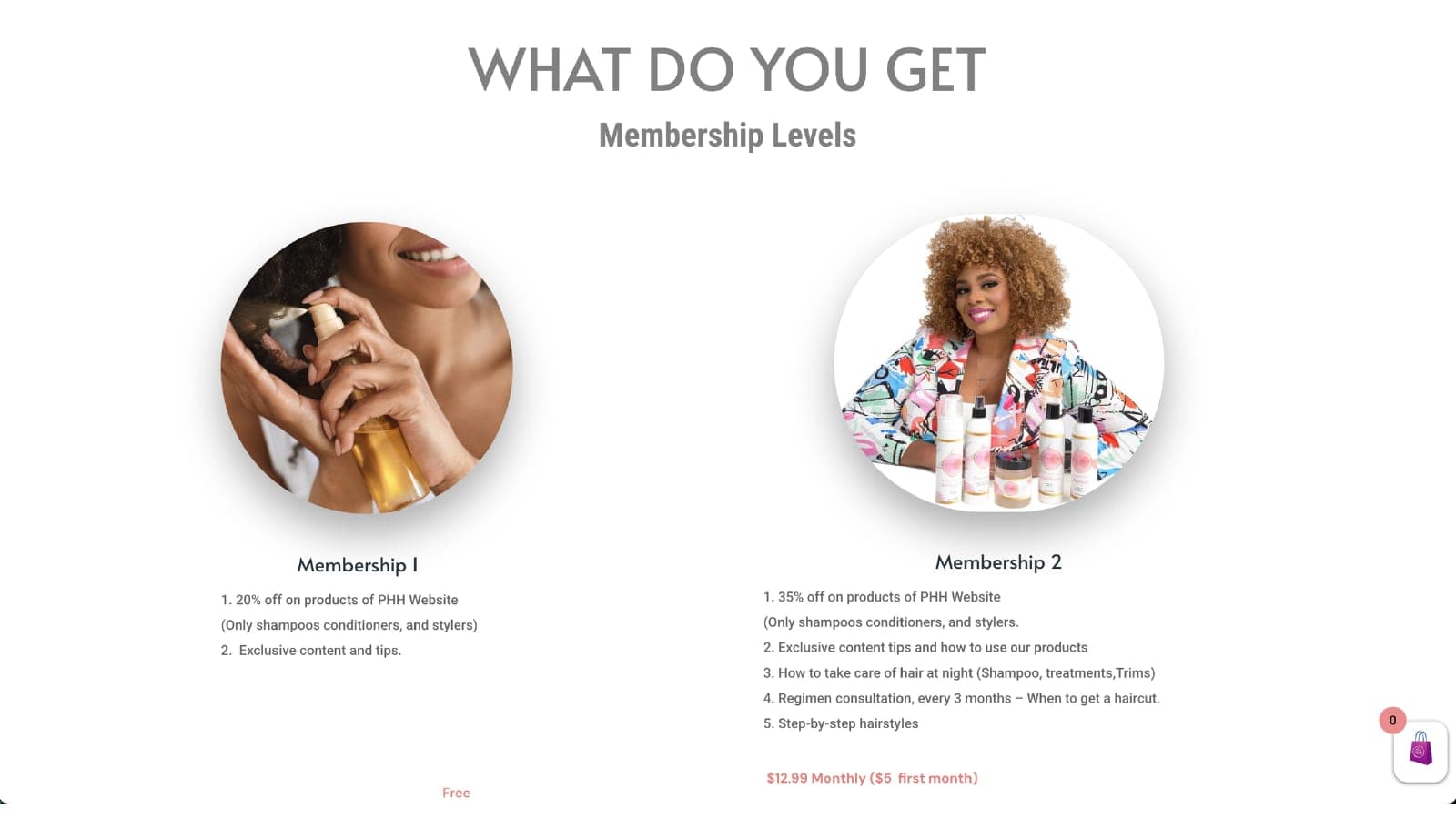
Pure and Healthy Hair is a U.S. hair-care brand that needed a responsive e-commerce site with integrated booking, payment gateways, and automated client communication — on a six-week window from kickoff to go-live.
The pattern here is the one every small DTC brand runs into at the site-launch moment: they don't need a best-in-class build; they need a site that converts, works on mobile, handles real payments and bookings the day it goes up, and doesn't force them to re-platform when traffic starts growing. Six weeks is enough time to ship that if the integrations are chosen before the design, not after.
The Challenge
Three constraints that shaped every decision on this one:
- Short project window. Six weeks from kickoff to go-live. Any integration that required a long support cycle with a vendor had to be ruled out on day one.
- Multiple integrations in a single site. Product listings, cart, scheduling, payments, and automated client communication all had to be wired into one cohesive checkout path. Each surface was a potential friction point; any one of them misbehaving on launch day would have cost real revenue.
- SEO and performance couldn't be afterthoughts. For a DTC brand, the site's first-month SEO posture sets the baseline for every organic visit that follows. Retrofitting SEO after launch is twice the cost of building it in from the start.
The underlying risk on a timeline like this is scope creep disguised as polish. The right call is to pick the four things that have to be excellent, and the fifth thing that's allowed to be "good enough for now."
Approach
I structured the build around conversion outcomes from day one. Every integration was picked because it reduced friction from landing to purchase, not because it was the most sophisticated option available.
Decision rules I applied throughout:
- Pre-picked integrations over custom builds. If a mature plug-in existed that handled the job cleanly, it won over custom code every time. Six weeks is the wrong window to be debugging bespoke integrations.
- Mobile-first layout. The traffic mix for hair-care DTC skews heavily mobile. The desktop layout followed the mobile design, not the other way around.
- SEO baked into the information architecture. Clean URL structure, per-page metadata, image optimization, and performance budgets locked in before content started going in.
- Launch support as a line item. The first week after go-live is where most site launches quietly fail. Budget and attention were reserved for that week rather than being declared "out of scope" at the kickoff.
What I Built
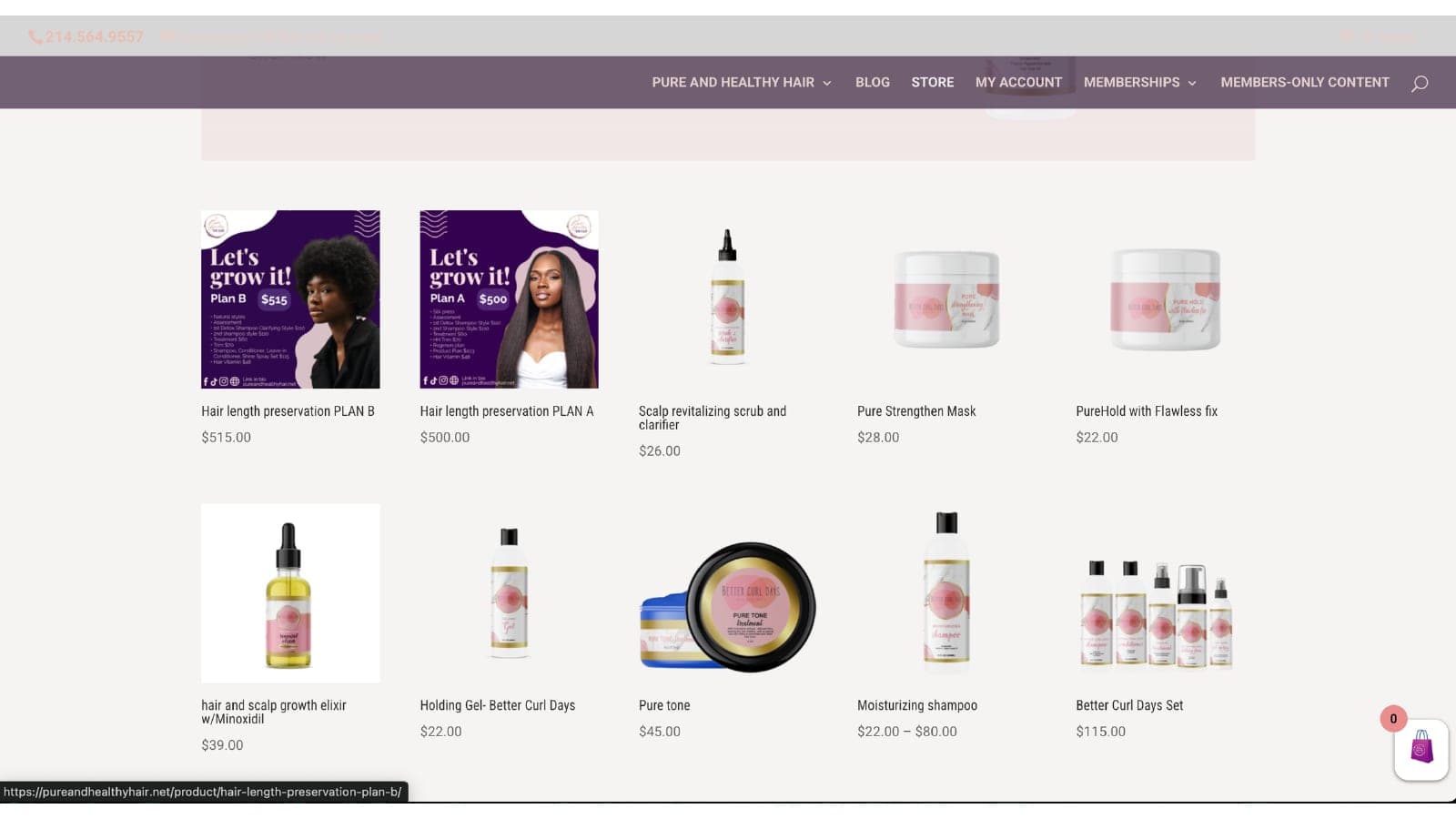
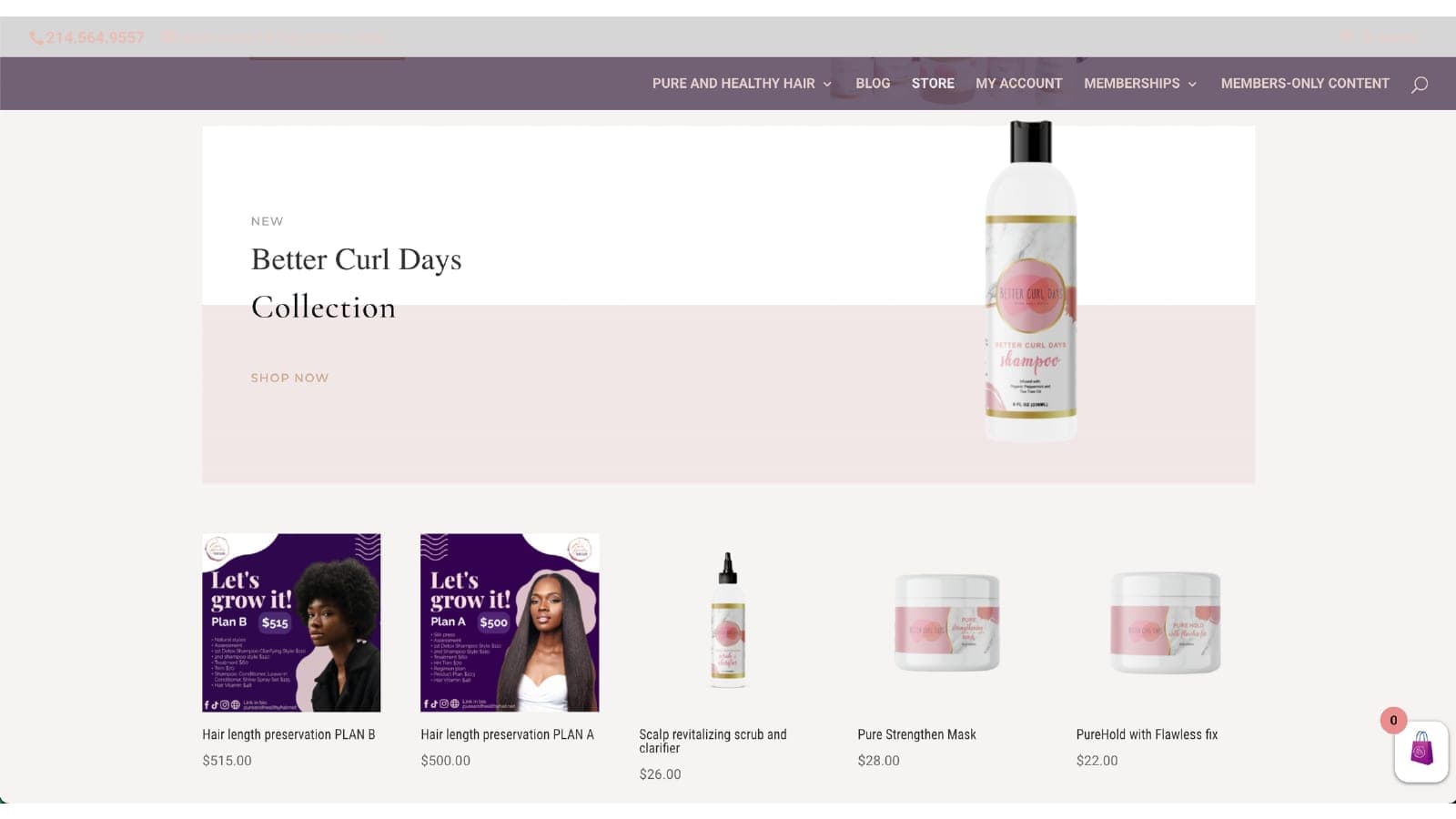
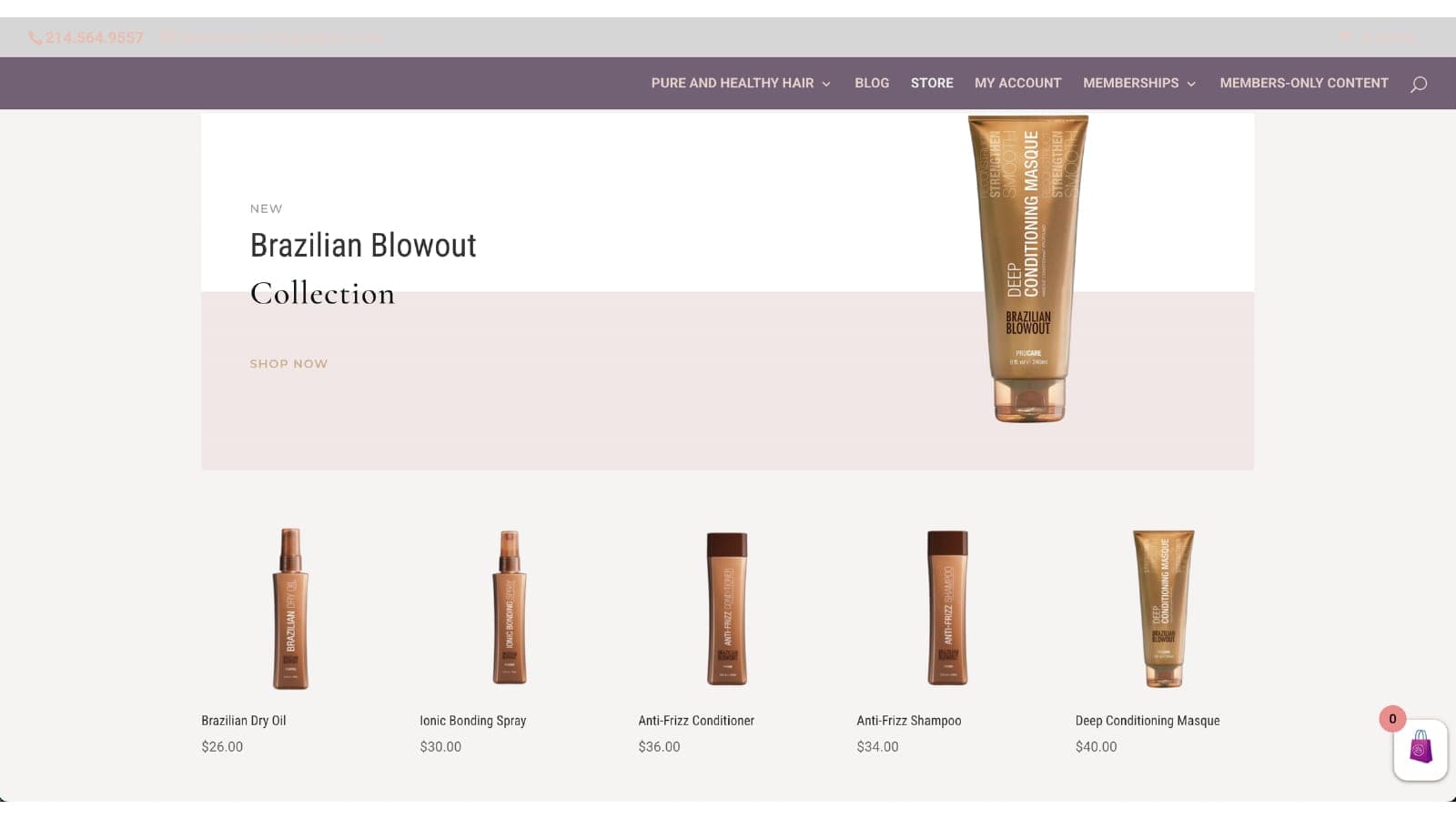
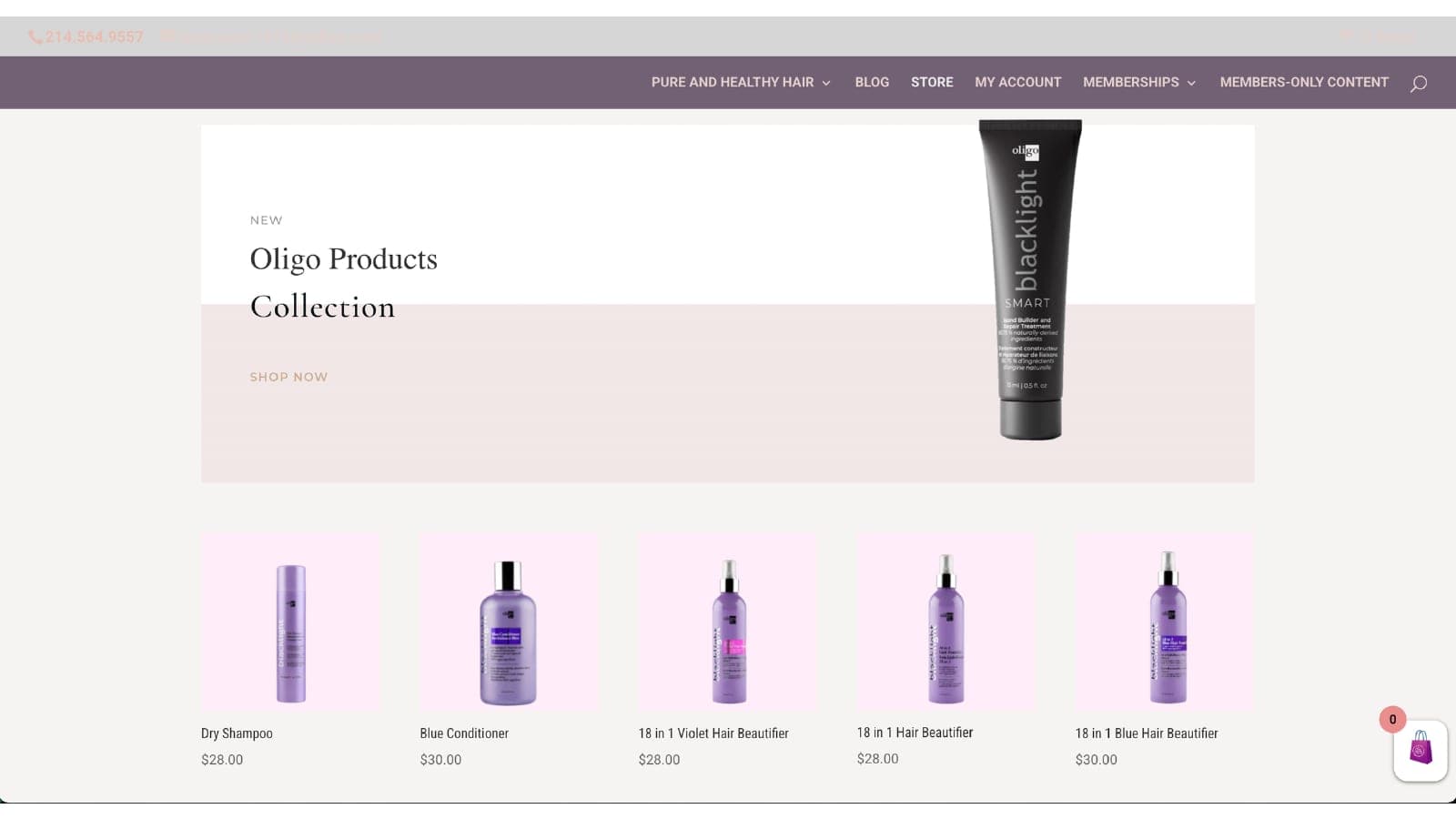
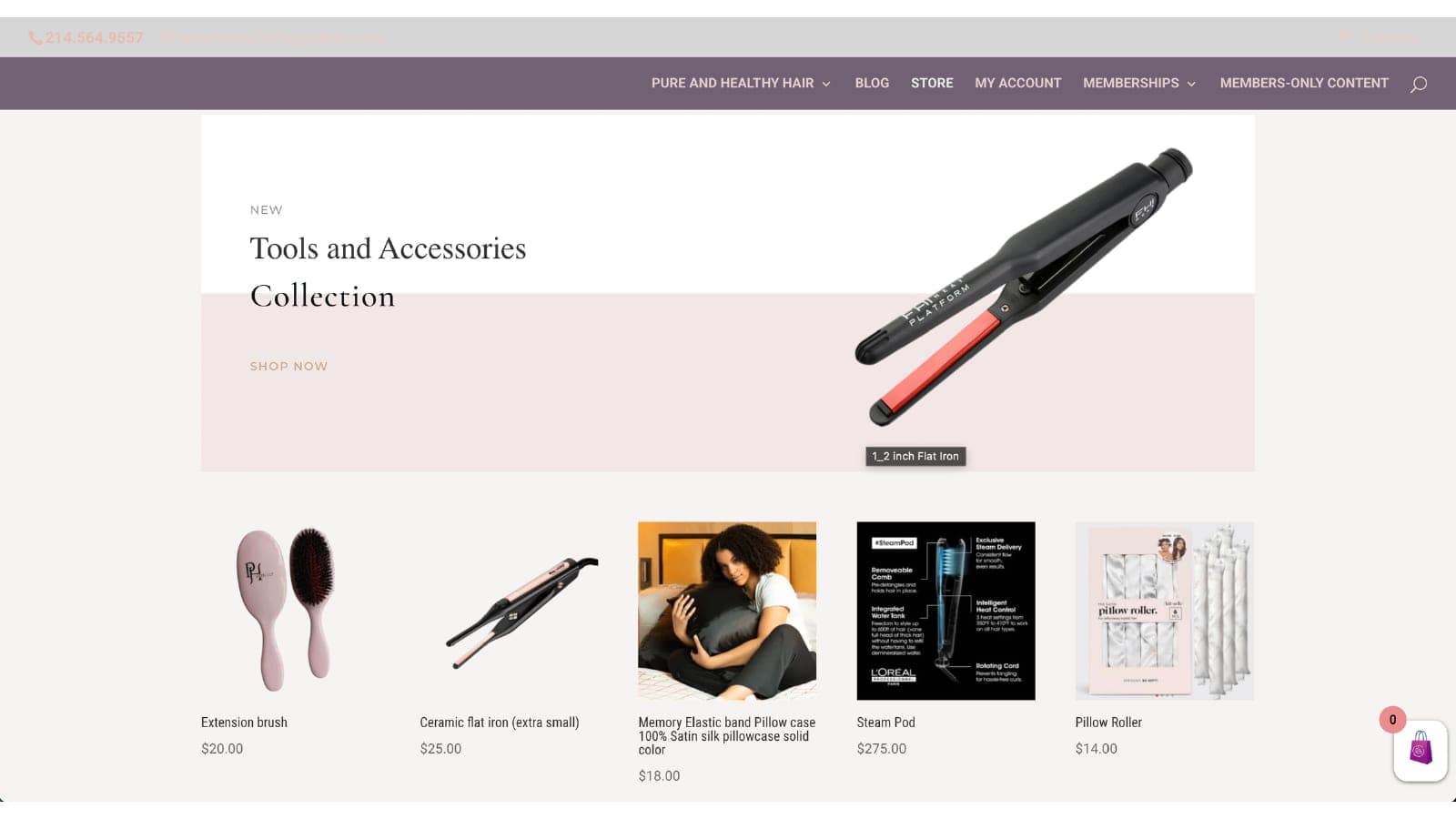
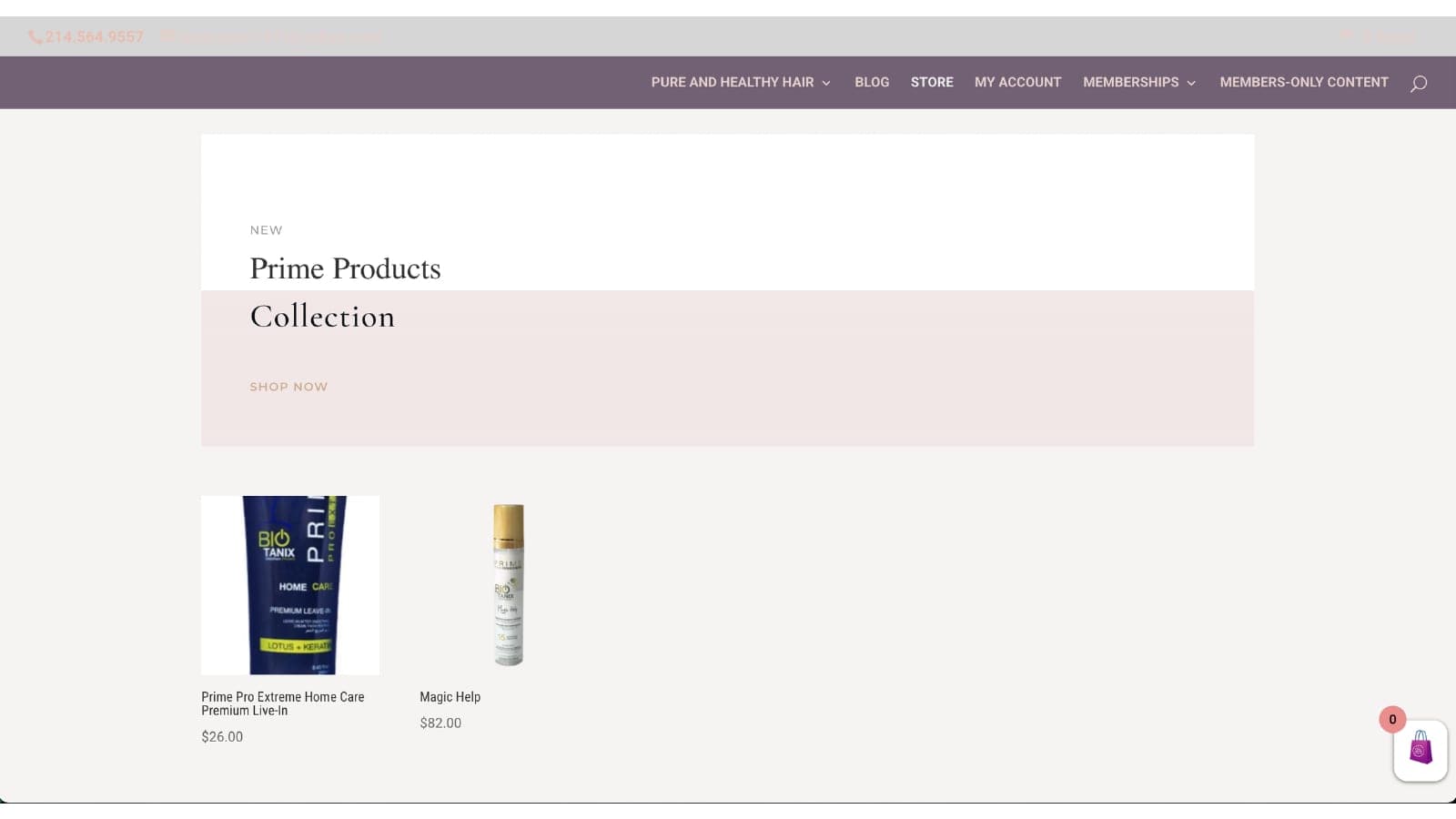
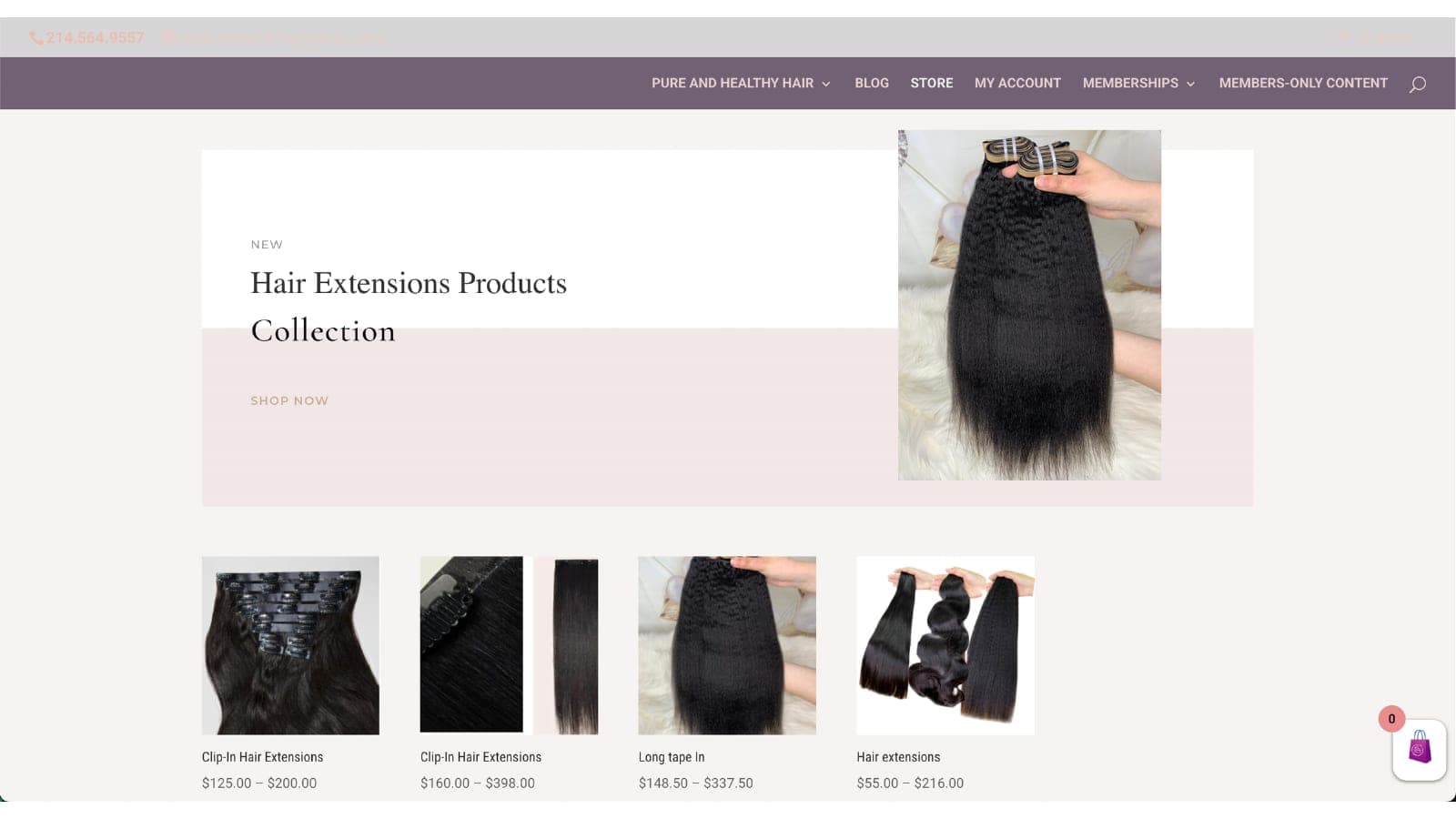
- Responsive e-commerce site — product listings, cart, checkout flow, built mobile-first.
- Integrated booking — scheduling tied directly into the site, not a separate page the customer had to bounce to.
- Payment gateway integration — wired into the cart with the usual SMB considerations (transaction fees, dispute flow, recurring billing where relevant).
- Automated client communication workflows — order confirmations, shipping updates, review requests, and booking reminders running without manual intervention.
- SEO optimization — on-page fundamentals (metadata, schema, image optimization), performance (Core Web Vitals posture), and a sitemap/robots posture that gave Search Console a clean first pass.
- Launch support through go-live and stabilization — monitoring, fix cycles, and the first round of performance tuning against live traffic.
Timeline
Engagement ran June through July 2024 — roughly six weeks end to end. The shape:
- Weeks 1–2 — architecture and design. Information architecture, page inventory, integration selection, visual direction. No code until the decisions were locked.
- Weeks 3–4 — build. Core site, product pages, checkout, booking, payments. Integrations tested against real payment and scheduling flows, not just happy paths.
- Week 5 — content, SEO, and polish. Real product copy, metadata pass, performance pass, accessibility sweep.
- Week 6 — launch and stabilization. Go-live, monitoring, first round of post-launch adjustments against real traffic.
Short timelines don't forgive scope additions mid-build. The six-week window worked because the decision phase took the first two weeks instead of being compressed to the first two days.
Outcome
- Launched on schedule with all integrations working — booking, payments, comms, all live on day one.
- SEO-ready from day one — metadata, schema, performance budget, and sitemap all in place at go-live.
- Ongoing support through the launch phase to handle the inevitable small fixes that only surface under real traffic.
What I'd repeat
The two decisions that made this fit in six weeks were front-loading the integration selection and reserving budget for launch-week support. Every SMB site build I've seen slip has slipped for the same two reasons inverted — integrations chosen during the build instead of before it, and "launch" declared complete the day the site goes live. Treat the first week after go-live as part of the build, not a separate phase, and the work actually ships.
Live site: pureandhealthyhair.net