Context
The Hub is a U.S. health and beauty center running quarterly revenue of $45–60K with a team of 5 onshore and 2 offshore. When I joined as their Digital Operations Specialist, the business was operating on a patchwork of disconnected software tools with redundant subscriptions, manual admin workflows, and a brand identity that had quietly drifted across every customer-facing surface.
This is the exact profile where a fractional digital operator beats either a marketing agency or a full-time hire. The work wasn't one project — it was the whole stack: brand, build, automate, run. One operator owning every surface was cheaper and faster than three vendors stapled together. It's also the engagement my current hand-off model evolved from: I ran the engine here for almost two years — now I build the same engine, prove it, and hand it over running.
The Challenge
Three problems stacked on top of each other, and each made the other worse.
- Tool sprawl. The stack had grown organically over years — $500/month across tools that didn't talk to each other. Nobody had picked them in a plan; they'd accumulated the way SaaS always does, one "just try this" at a time.
- Manual communication bottleneck. The team was spending hours per week on appointment reminders, review responses, and lead qualification — work a machine could do, but only if the stack could reach it.
- Brand drift. The website, social presence, and marketing materials had diverged from each other. There was no single source of truth, which meant every new asset started another small fork of the brand.
The problems interlocked. Tool sprawl caused brand drift, because each platform had its own customer-facing templates nobody was curating. The manual comms bottleneck was the consequence of the sprawl — you can't automate across tools that don't integrate. Fixing any one of them in isolation would have left the other two intact.
Approach
I treated this as a one-person digital team engagement — brand, build, automate, run — and sequenced the work so each phase unlocked the next.
- Audit first. Mapped the full tech stack against what we actually needed, flagged redundant subscriptions, and put a number on what every tool was costing relative to the job it was supposed to do.
- Brand before build. Rebuilt the brand identity from scratch so the website, social, and marketing all had one source of truth to pull from.
- Consolidate the stack. Migrated to GoHighLevel and Square as consolidated AI-capable platforms — two systems that handled what the prior five had been trying to.
- Automate what's left. Set up n8n workflows with AI agent nodes for the repetitive admin tasks that survived the consolidation.
The order mattered. Consolidation before brand would have locked in the drift. Automation before consolidation would have meant wiring pipes to tools we were about to rip out.
What I Built
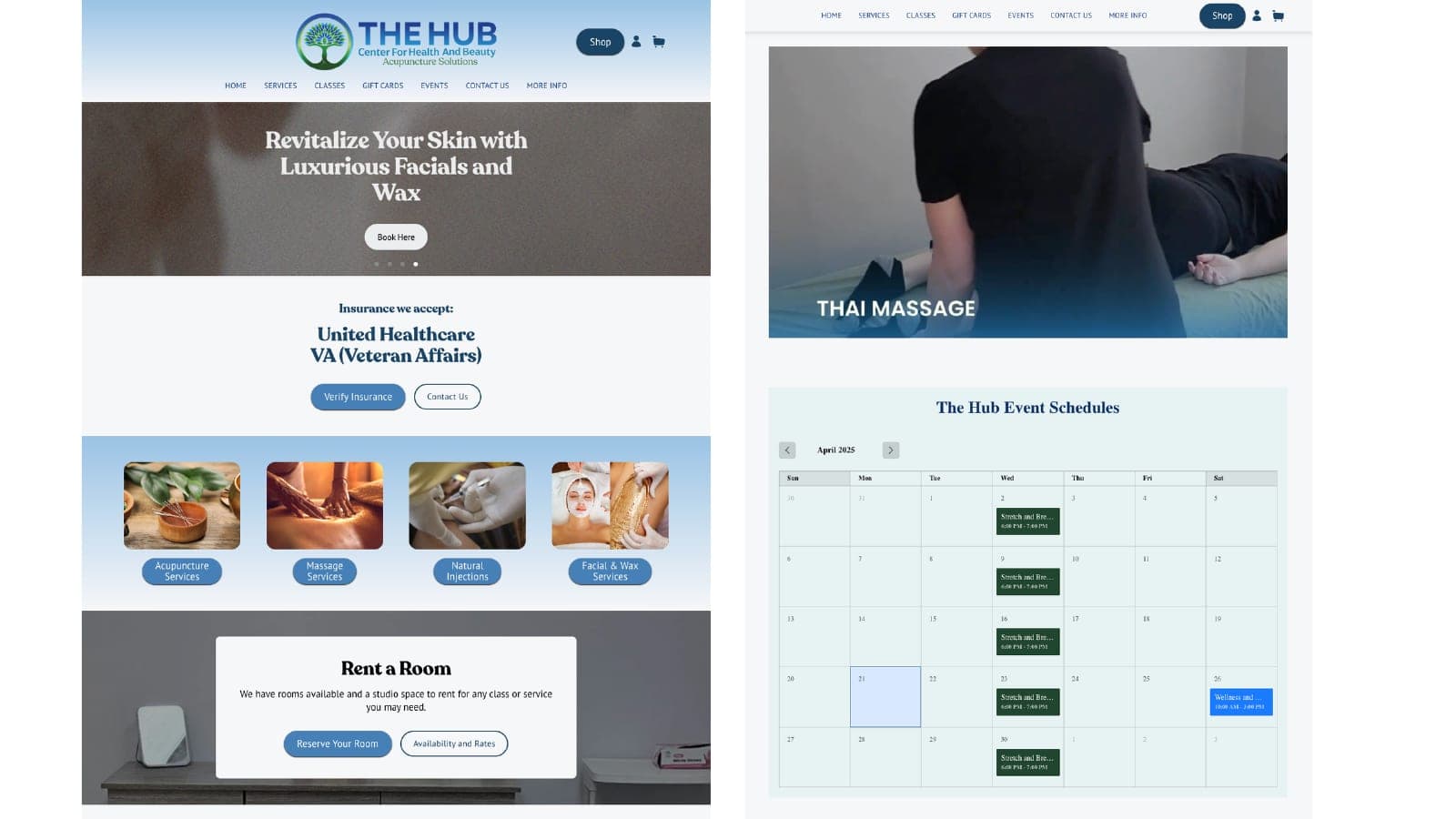
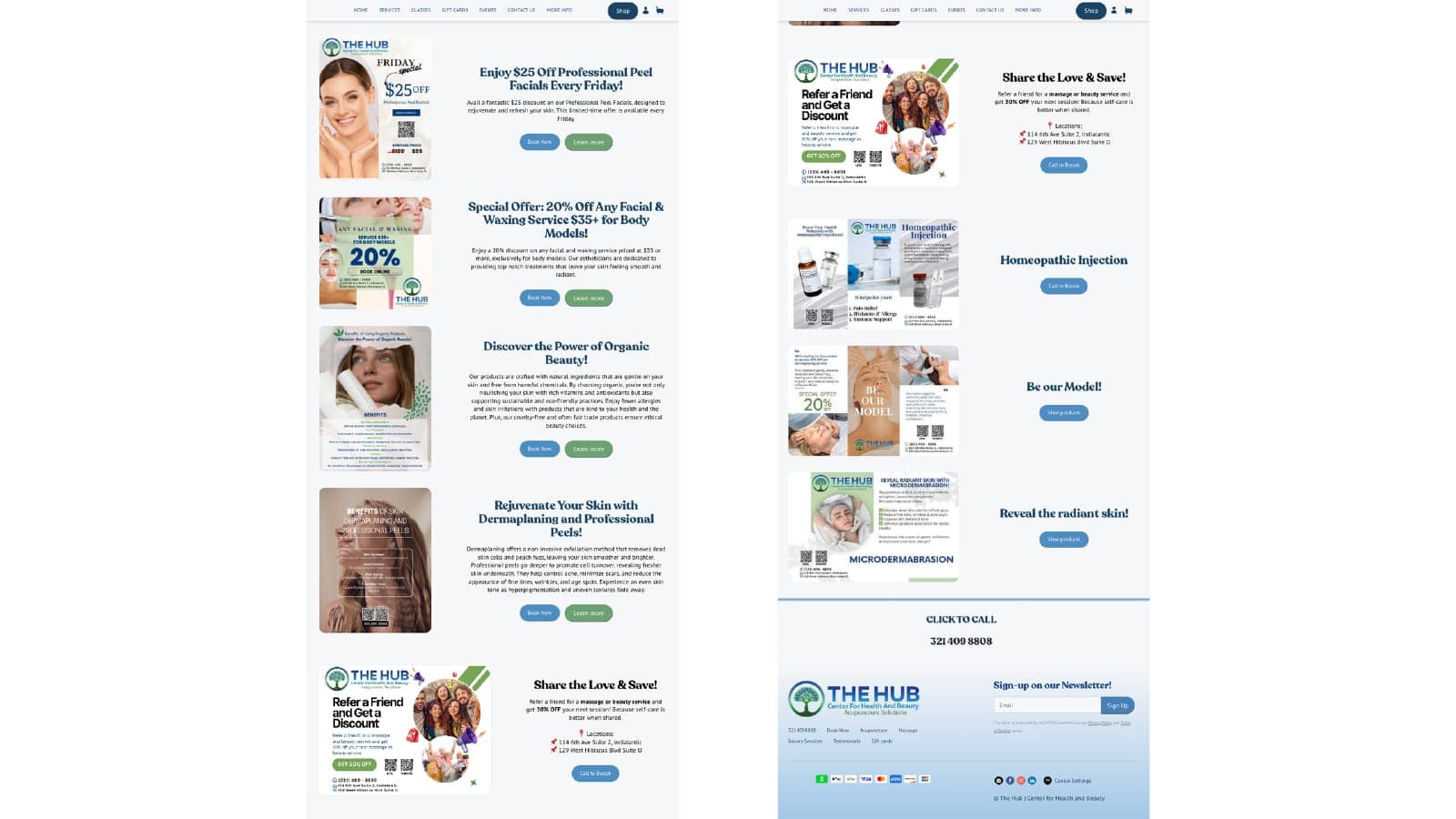
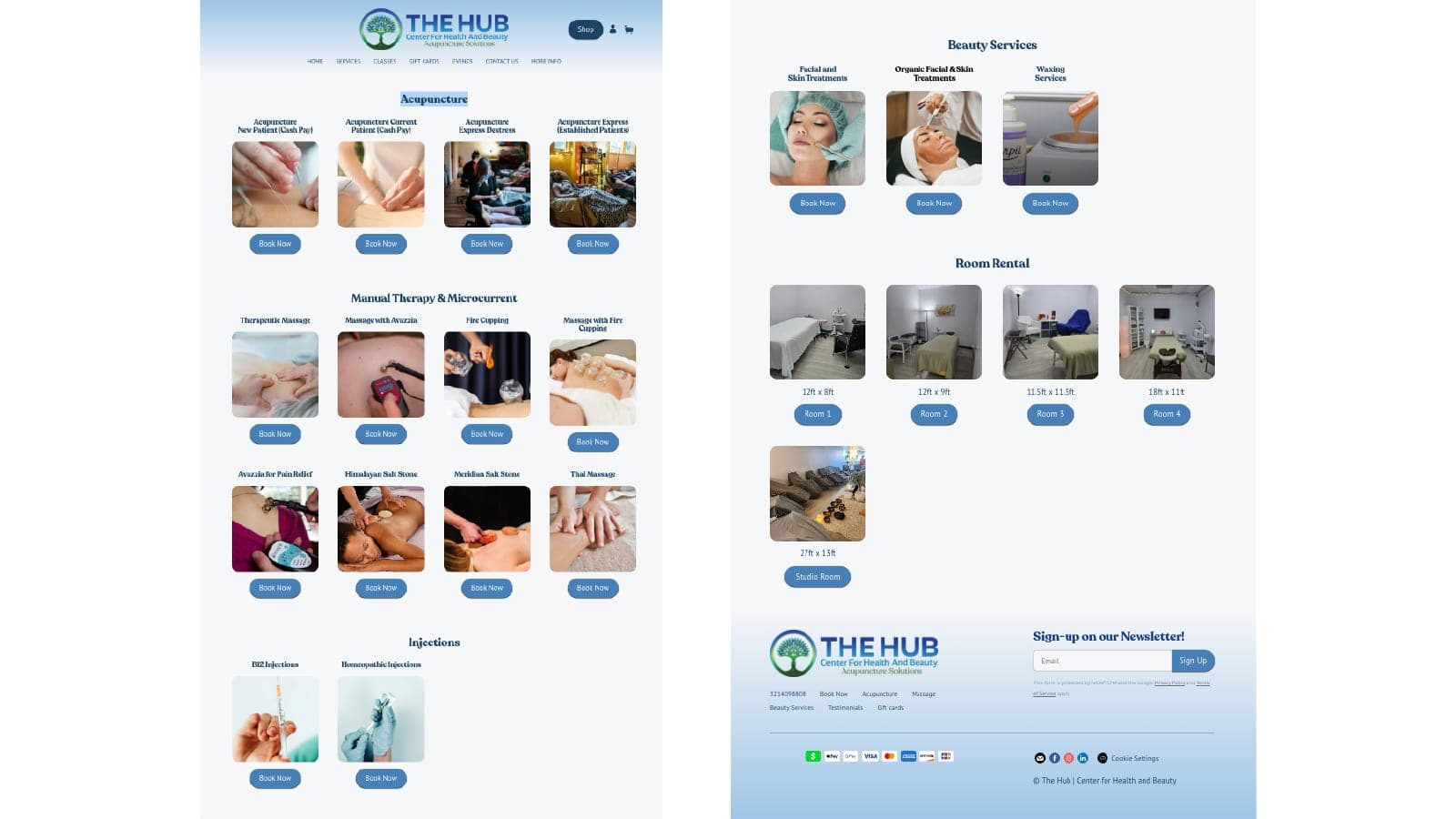
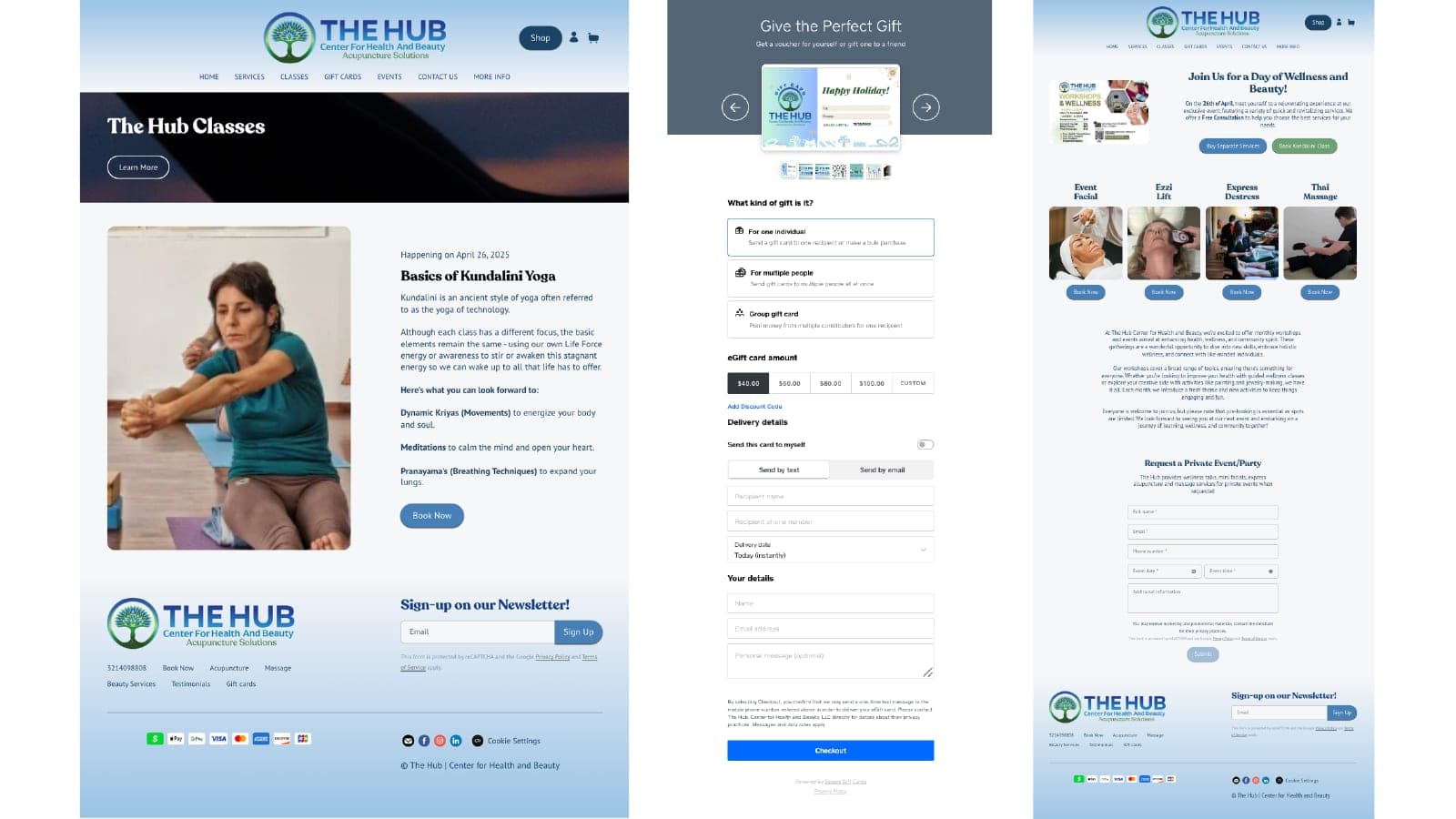
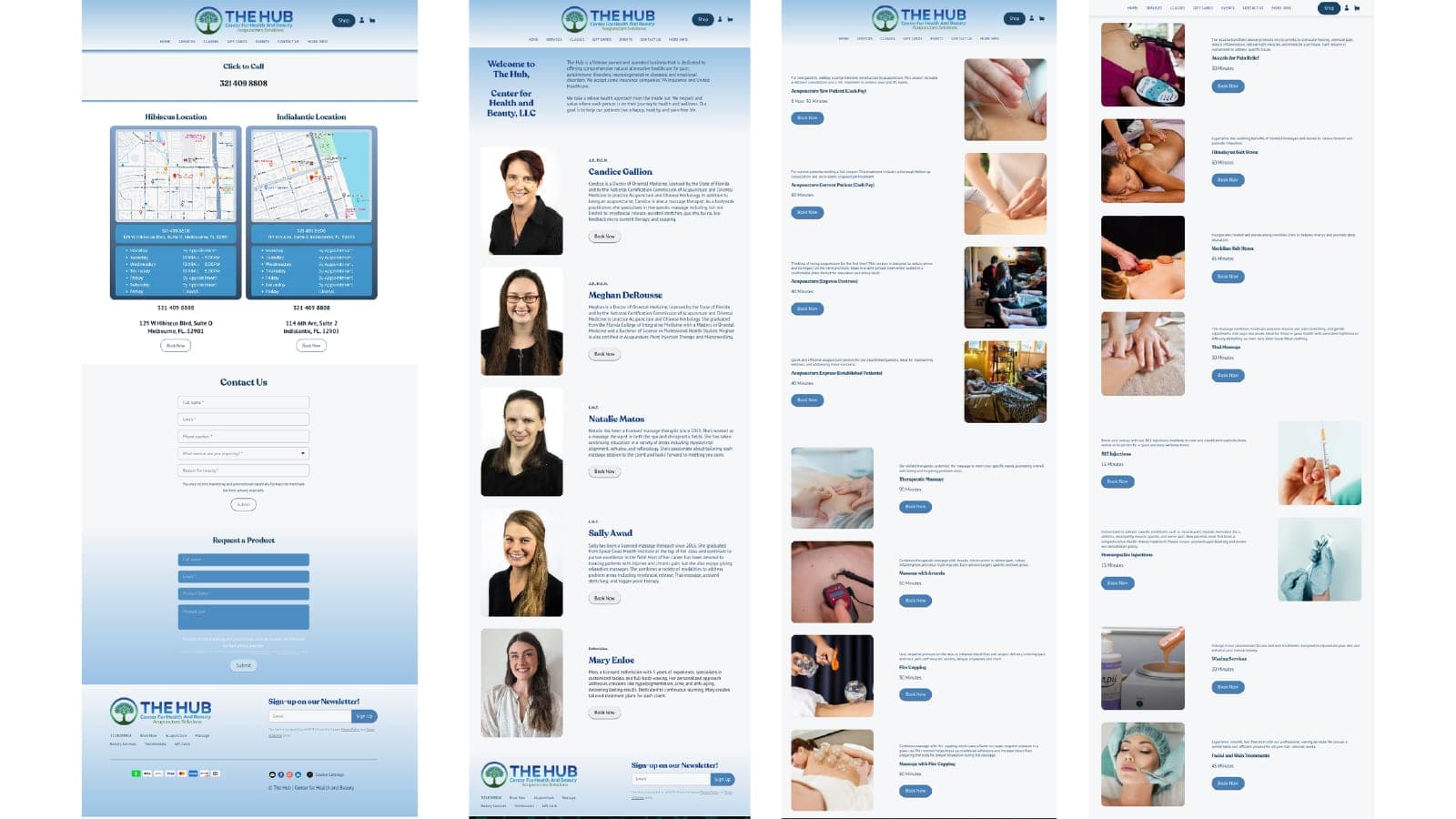
- New website — responsive, conversion-focused, with integrated booking and payments wired directly to the new stack.
- n8n automation hub — inbox triage, appointment reminder sequences, lead qualification. Self-hosted, so the monthly bill didn't climb with volume.
- GoHighLevel Conversation AI — automated appointment booking, client follow-ups, and review responses, replacing multiple tools that had previously been doing overlapping slices of the same job.
- AI news monitoring workflow — daily updates on emerging martech tools, with A/B testing discipline before adoption so the stack didn't start re-sprawling.
Wired together, the picture is simple: one CRM, one payment processor, one automation hub, one brand. Every customer-facing surface reads from the same underlying data. That's what "digital operations" actually means when it's done properly — not a new tool, but a stack that finally behaves as one system.
Timeline
Engagement ran November 2023 through August 2025. Roughly:
- First phase — audit and diagnosis. Stack map, spend audit, brand gap analysis. No tool changes yet.
- Second phase — brand rebuild and website relaunch. Site redeploy, identity system, marketing materials aligned.
- Third phase — platform migration. Consolidated onto GoHighLevel and Square. This is where the cost curve bent.
- Fourth phase — automation layer. n8n hub, GoHighLevel Conversation AI, monitoring workflow. This is where the hours-saved curve bent.
- Retainer phase. Continuous AI evaluation through the rest of the engagement — testing new tools against the existing stack before any of them earned a seat.
Outcome
- 60% cut in monthly software costs — $500 → $200 per month. Same capability, fewer tools, tighter integration.
- ~50% reduction in manual communication tasks — appointment reminders, review responses, and routine client follow-ups now run through GoHighLevel AI.
- Complete brand rebuild shipped — website, identity, marketing materials all pulling from a single source.
- 21-month retainer for operations, automation, and continuous AI evaluation, through the end of the engagement in August 2025.
What I'd repeat
The audit-first sequence is the thing. Every SMB I've walked into with a tool sprawl problem has had the same underlying shape: the stack grew one decision at a time, nobody had the combined view, and the fix was never a new tool — it was fewer tools, wired correctly. The lesson I'd put in a retainer proposal next time: start by pricing every tool against the specific job it does, not the feature set it advertises. That's the number that closes the consolidation conversation.
Screens from the build